FREE DELIVERY ACROSS THE CONTIGUOUS US!
PRICE PROMISE! FREE DELIVERY ACROSS THE CONTIGUOUS US


How to Choose the Right Projector Lamp Replacement (Without Wasting Money)
23
Apr
How to Choose the Right Projector Lamp Replacement (Without Wasting Money)
If your projector has started to look dim, washed out, or is showing a lamp warning message, chances are it’s time for a replacement. But once you start searching, you’ll quickly notice something confusing: there are multiple versions of the same lamp at very different price points.
So how do you choose the right one without overpaying—or worse, buying something that underperforms?
Let’s break it down in a simple, practical way.
Why Projector Lamps Fail
Projector lamps don’t suddenly stop working—they gradually lose brightness over time. Most lamps last between 2,000 and 5,000 hours, depending on usage and settings.
Common signs you need a replacement:
- Dim or dull image
- Flickering or inconsistent brightness
- Warning messages on startup
- Colour distortion
If you’re noticing any of these, it’s time to start looking.
The 3 Main Types of Replacement Lamps
When shopping for a replacement, you’ll typically come across three categories:
1. Original (OEM) Lamps
These are made by the same manufacturer as your projector.
Pros:
- Best brightness and colour accuracy
- Longest lifespan
- Highest reliability
Cons:
- Most expensive option
Best for: business use, presentations, or anyone who wants top performance.
2. Original Bulb Inside (Hybrid Lamps)
These use an original bulb but are fitted into a compatible housing.
Pros:
- Very good brightness
- More affordable than OEM
- Good balance of quality and cost
Cons:
- Slightly less consistent than full OEM
Best for: most users looking for value without sacrificing too much quality.
3. Compatible / Generic Lamps
These are third-party replacements made by independent manufacturers.
Pros:
- Lowest price
- Widely available
Cons:
- Variable brightness and lifespan
- Quality can differ between suppliers
Best for: older projectors or occasional use.
Lamp With Housing vs Bulb Only
Another key decision is whether to buy:
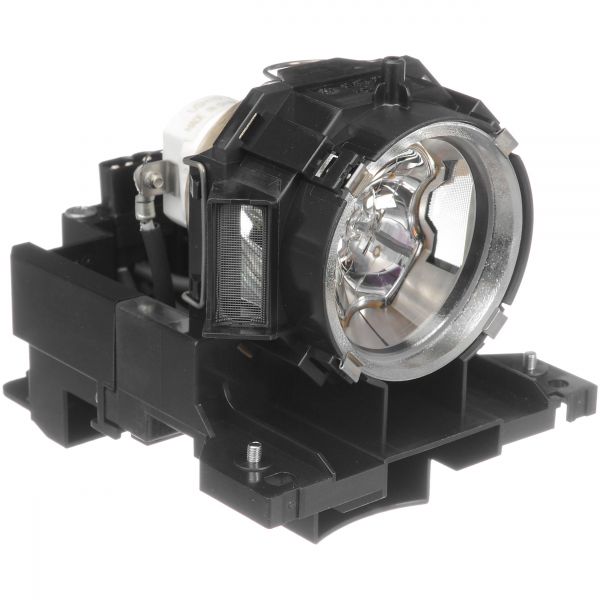
Lamp with Housing (Recommended)
- Comes as a complete unit
- Easy to install (plug-and-play)
- Less risk of damage
Bulb Only
- Cheaper
- Requires transferring the bulb into your existing housing
- Higher risk if not done correctly
For most users, a lamp with housing is the safer choice, which is why we generally do not sell Bulb only options.
How to Avoid Low-Quality Lamps
Not all lamps are created equal. Here’s how to avoid common mistakes:
- Avoid prices that seem too good to be true
- Check for clear product descriptions (OEM, original bulb, or compatible)
- Look for warranty or guarantee
- Buy from a specialist retailer rather than unknown sellers
A poor-quality lamp may save money upfront—but often results in dim output or a much shorter lifespan.
Tips to Extend Lamp Life
Once you’ve installed your new lamp, a few habits can help it last longer:
- Use eco mode when possible
- Avoid turning the projector on and off frequently
- Keep air filters clean
- Ensure proper ventilation
These small steps can significantly extend performance.
Final Thoughts
Choosing the right projector lamp doesn’t have to be complicated. It comes down to how you use your projector and what matters most:
- Best performance: go OEM
- Best value: choose original bulb inside
- Lowest cost: compatible lamps
If you’re unsure, it’s always better to invest slightly more in a reliable option—especially if you use your projector regularly.
Need help finding the right lamp for your projector?
Browse our full range or get in touch—we’re happy to help you choose the best option for your setup.
0 Comment(s)
Recent Posts
-
How to Choose the Right Projector Lamp Replacement (Without Wasting Money)
 April 23, 2026
 -
The Lamp-Based Advantage: Why Traditional Projectors Still Lead the Way
 March 27, 2026
 -
Discover High-Quality Replacement Projector Lamps at Projector Lamps USA
 November 20, 2024
 -
6 Advantages of using Projectors for Home Entertainment
 March 31, 2023
 -
LED Projectors Explained
 January 27, 2023